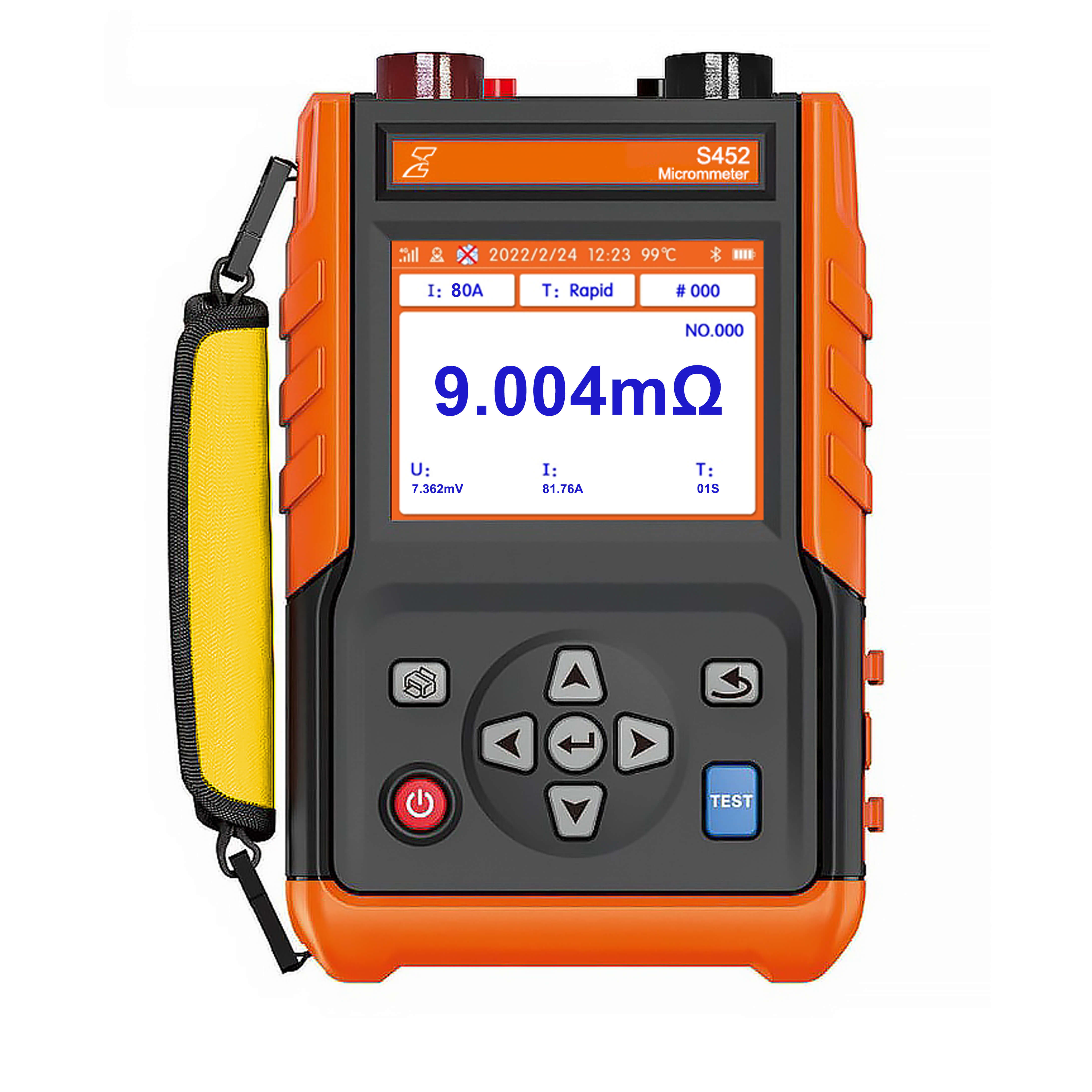
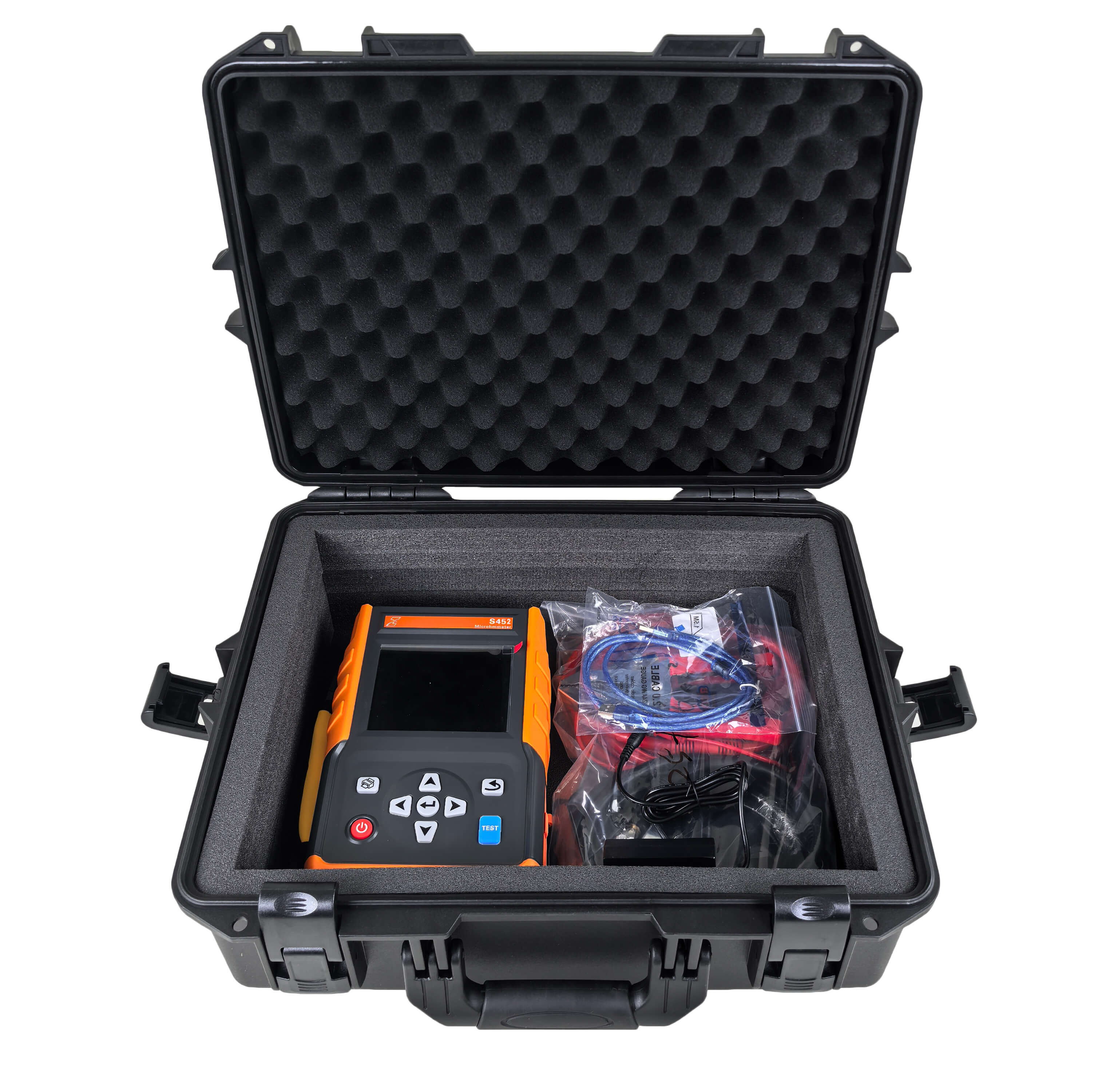

0.01 μΩ resolution for precise low-resistance measurement
Maximum test current: 100A
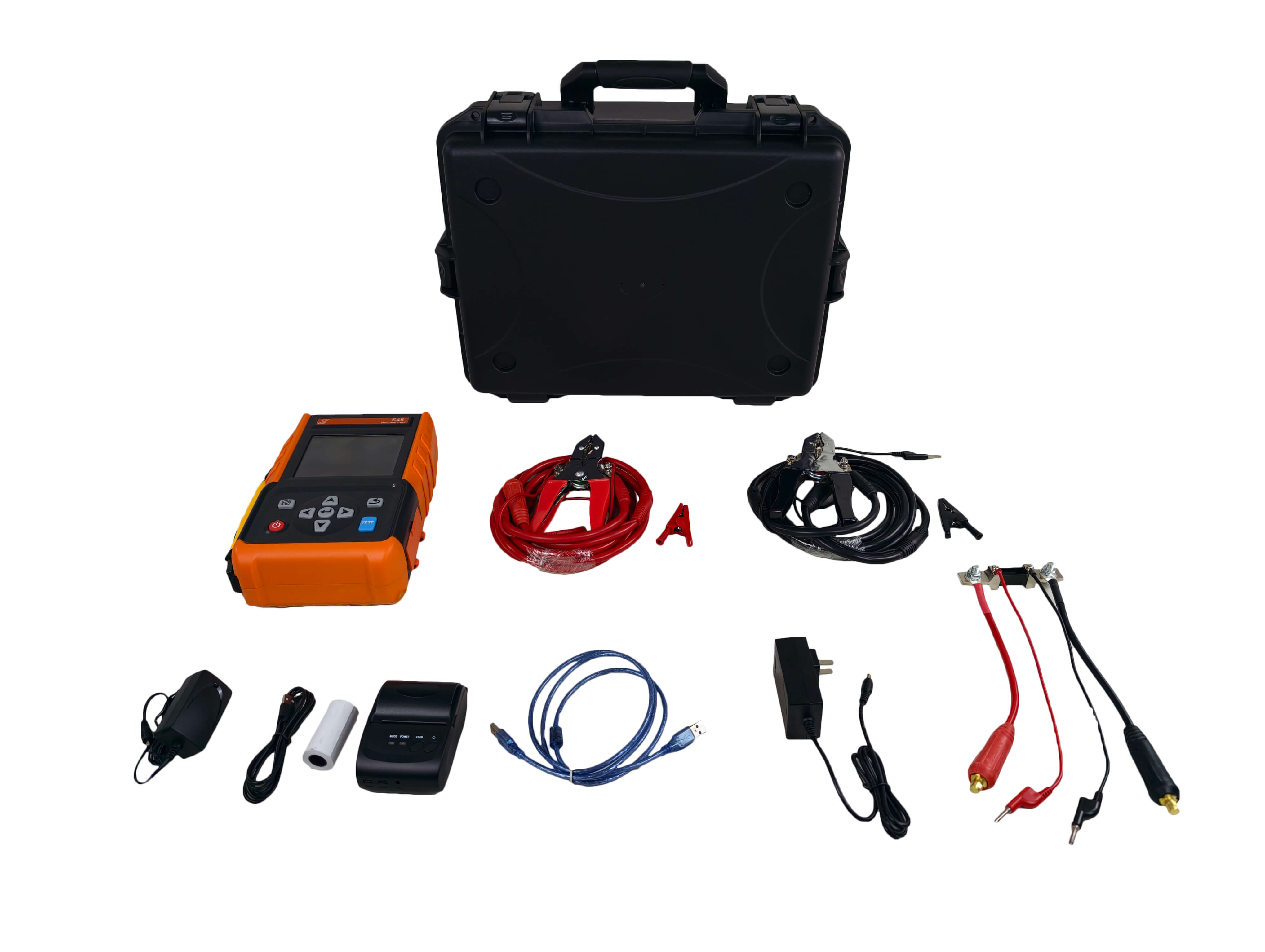
Supplied standard resistor for accuracy verification
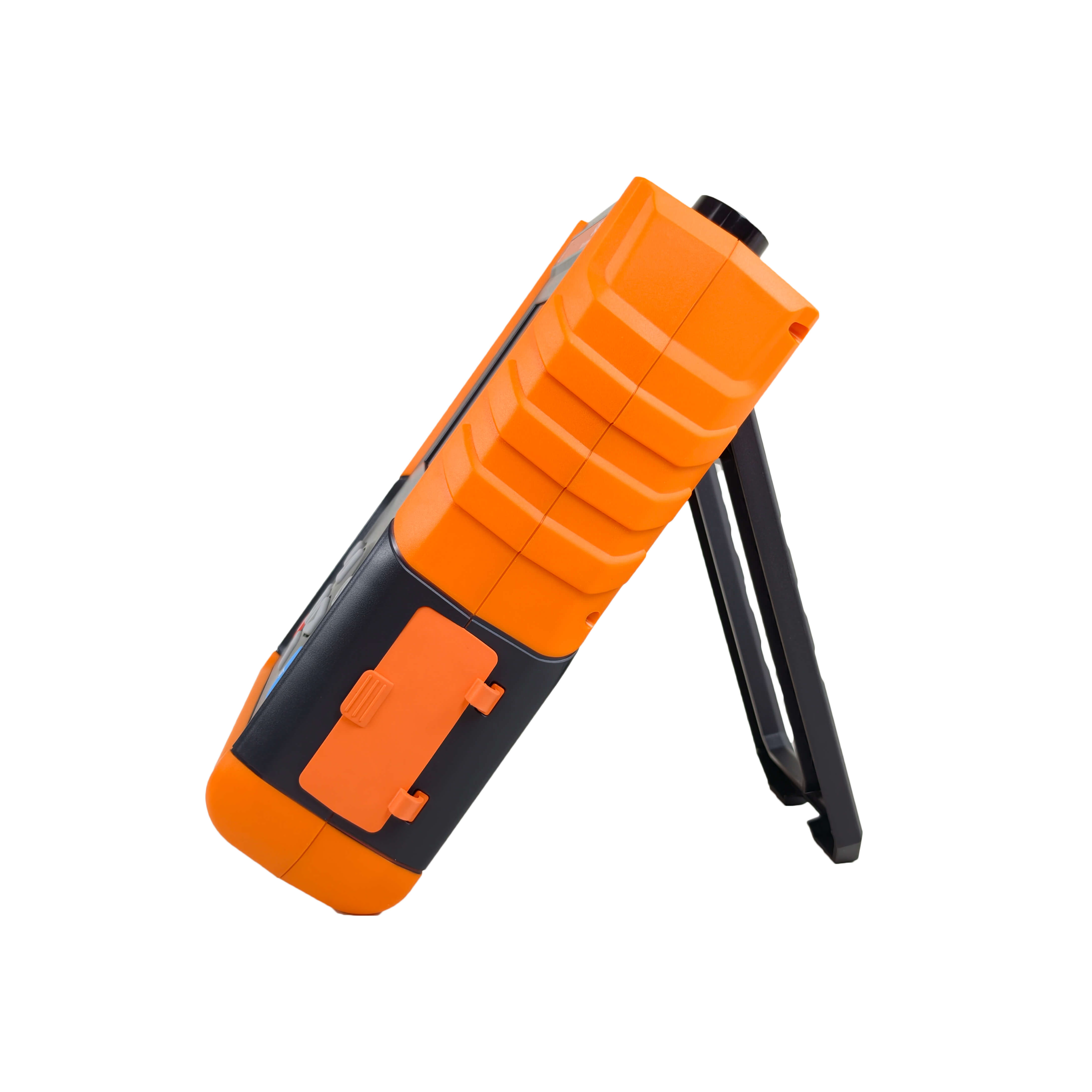
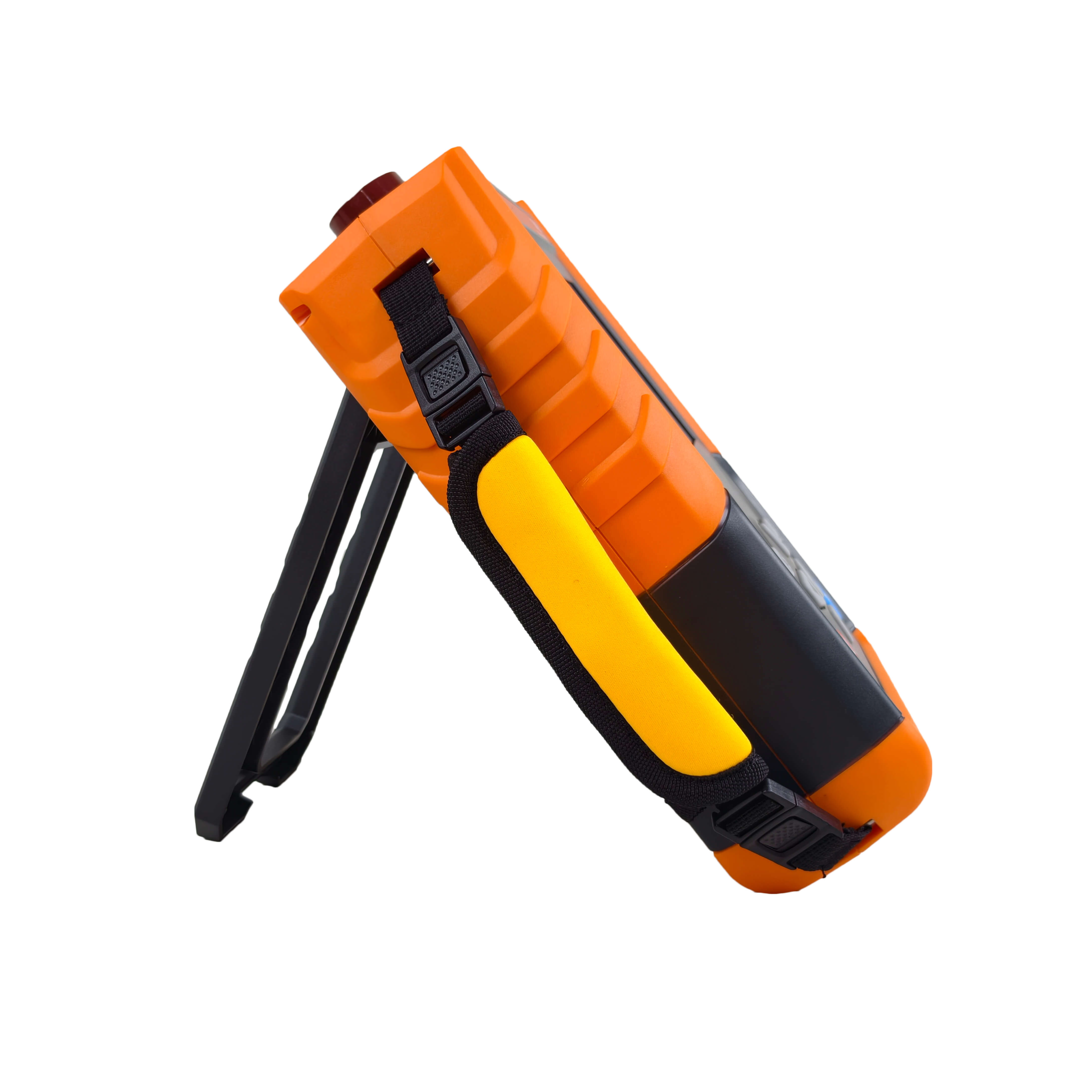
Portable and rugged design for field testing
Open-circuit and over-temperature protection
Suitable for contact-resistance and high-current connection testing
The Eaglotest S452 is a high-precision micro-ohmmeter designed to measure contact resistance in high-voltage electrical systems. Mechanical wear, thermal cycling, vibration, corrosion and environmental exposure can gradually increase the resistance of electrical contacts and joints. If left undetected, this increased resistance may cause excessive localized heating, equipment damage and unplanned power outages.
The S452 applies a DC test current of up to 100A to provide stable and representative low-resistance measurements. Its four-wire Kelvin measurement method eliminates the influence of test-lead resistance on the result, supporting accurate measurement at the micro-ohm level. The instrument is suitable for testing circuit breakers, switchgear, busbar joints, cable connections, conductors, bonding points and other high-current electrical connections.